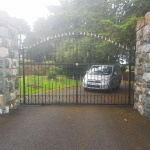
An electric gate isn’t just a statement piece for your home or business. It’s a smart investment in security, convenience, and long-term value. Whether you’re upgrading from a manual gate or starting from scratch, understanding what goes into choosing and installing an automatic system is essential. Before you dive in, here’s what you need to know to get it right the first time.
Understanding How Electric Gates Work
Electric gates operate through a motorised mechanism that opens and closes the gate automatically, either at the push of a button, through an intercom system, or via remote control. They can be powered by electricity from the main supply, solar panels, or battery backup systems for added reliability.
There are two main configurations: swing gates and sliding gates. Swing gates open inward or outward like traditional doors, making them ideal for driveways with level ground and enough space to accommodate the swing radius. Sliding gates, on the other hand, move sideways along a track and are perfect for tighter spaces or sloped driveways. Both types can be built in various materials — including steel, aluminium, or timber — depending on your security needs and aesthetic preference.
The Key Benefits of Electric Gates
The appeal of an electric gate goes beyond appearance. Homeowners and businesses choose automation for several compelling reasons:
- Security: Automated gates create a secure barrier that deters intruders and restricts vehicle or pedestrian access.
- Convenience: You can open and close the gate without leaving your car, which is especially useful in poor weather or late at night.
- Privacy: The right design can prevent unwanted onlookers and enhance the sense of seclusion around your property.
- Property value: Professionally installed gates can significantly boost kerb appeal and perceived property value.
Integration: Modern systems can link seamlessly with CCTV, intercoms, and smart home technology for full control and monitoring.
Choosing the Right Type of Gate
The design and function of your gate should reflect how you use your driveway.
Swing gates are classic and elegant, suited to properties with flat driveways and room for the gates to open freely. They can be single-leaf or double-leaf, depending on the width of your entrance.
Sliding gates are ideal where space is limited or the ground isn’t level. They are more resistant to wind and often preferred for commercial sites or areas with heavy traffic.
You’ll also want to consider the material. Aluminium offers a lightweight, low-maintenance solution, while steel provides maximum strength and durability. Timber delivers a traditional look but requires regular upkeep to protect it from the elements.
Safety and Compliance
Electric gates must be installed to meet strict UK and EU safety standards. Poorly designed or incorrectly fitted systems can pose serious hazards, which is why professional installation is essential.
Your installer should carry out force testing, fit photocells to detect obstructions, and include emergency release systems to ensure the gates stop if something gets in their path. MG Securical follows full compliance with the Machinery Directive 2006/42/EC and provides certification once the installation is complete.
If you’re upgrading existing manual gates, they may need to be strengthened or modified to accommodate the new motor and control system. Always work with a qualified team that understands the structural and electrical requirements involved.
Power and Access Options
Electric gates can be powered through your mains supply or by solar energy if the location allows. Battery backup systems are recommended to keep the gate operational during power cuts.
For access, you can choose from keypads, remote fobs, intercom systems, or smartphone control. Integrated access systems allow you to open your gate from anywhere, giving you peace of mind and complete flexibility. Commercial clients often choose coded entry systems or RFID cards to manage staff access securely.
Planning Permission and Regulations
In most cases, you won’t need planning permission for a residential electric gate, provided it is under two metres in height (or one metre if it fronts a highway). However, if your property is in a conservation area, listed, or close to a public road, you may need approval.
Professional installers like MG Securical can advise you on local requirements and ensure your project complies with all safety and planning rules from the outset.
Maintenance and Longevity
Like any piece of mechanical equipment, electric gates benefit from regular maintenance. Simple steps such as cleaning the tracks, checking hinges, and lubricating moving parts can prevent breakdowns and extend the lifespan of your system. An annual professional service ensures that safety sensors, motors, and control boards continue to operate correctly.
At MG Securical, we offer ongoing servicing and support to keep your gates performing reliably year after year.
Installing electric gates for your driveway is one of the most effective ways to combine security, convenience, and style. But to get lasting results, you need more than a good product — you need the right design, installation, and aftercare.
Whether you want a modern sliding gate with integrated access control or a classic swing design for your home, MG Securical can help you plan and install a system that suits your property perfectly.
If you’re considering an upgrade or looking for expert advice, contact our team today to arrange a consultation. A well-designed electric gate isn’t just an upgrade — it’s peace of mind that starts at your driveway.